



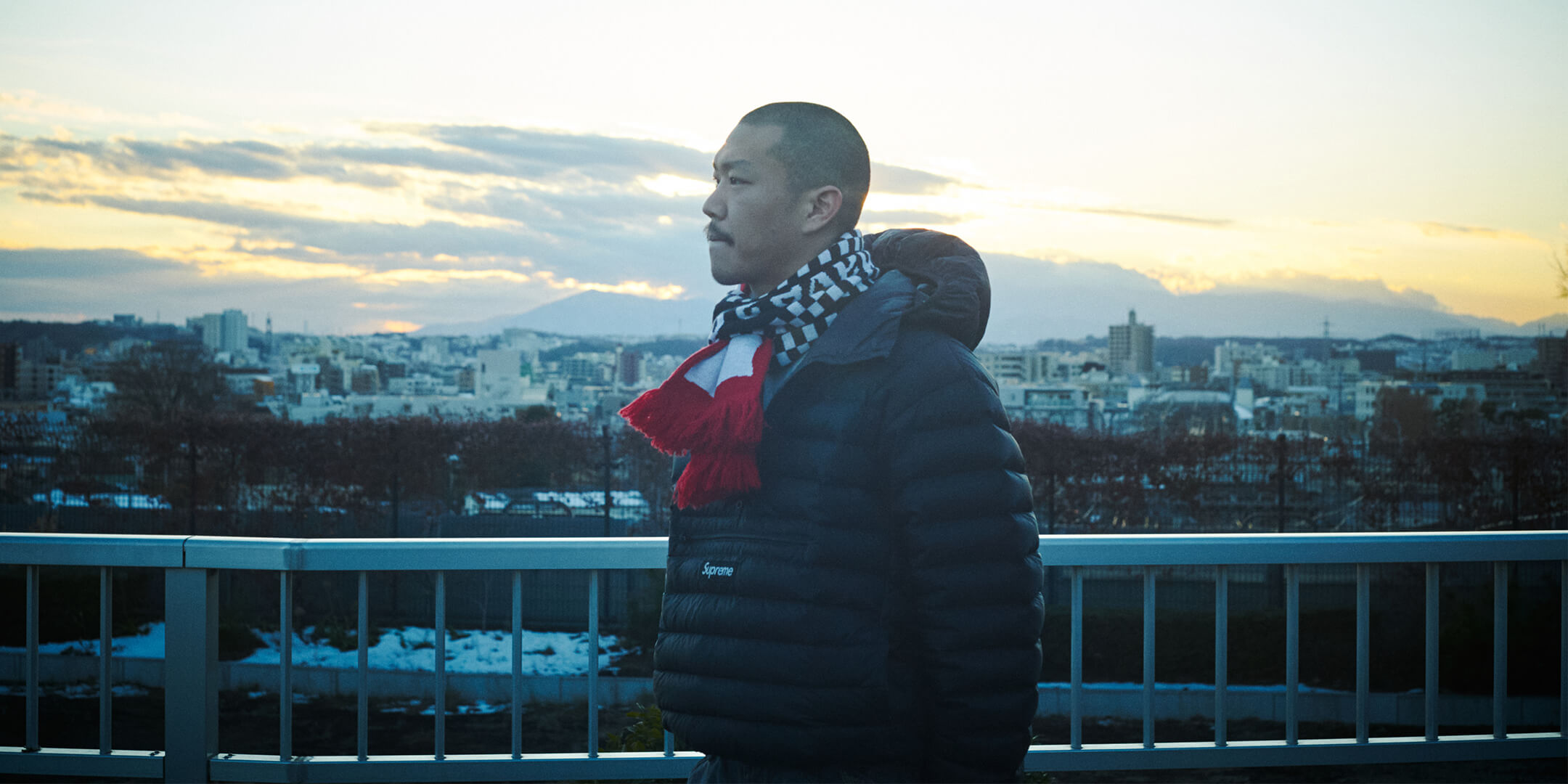
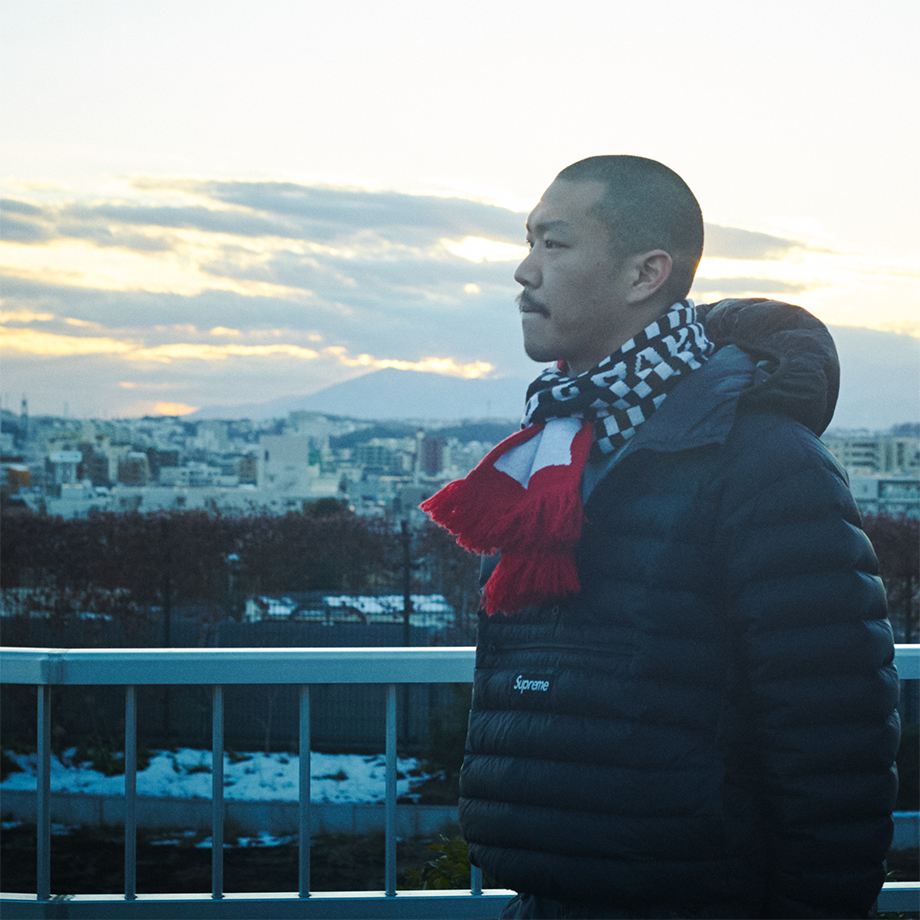
HAL JINUSHIが贈る、平凡な日常への“マイルドパンチ”。
HAL JINUSHI presents a "mild punch" to ordinary life.
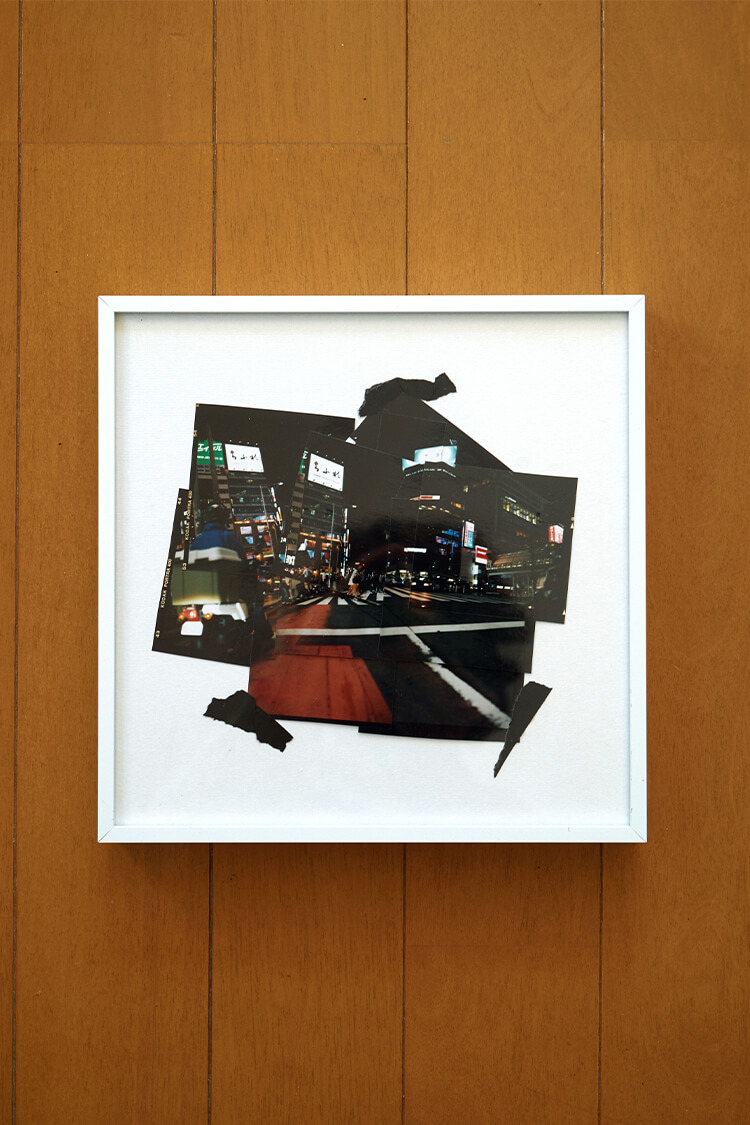
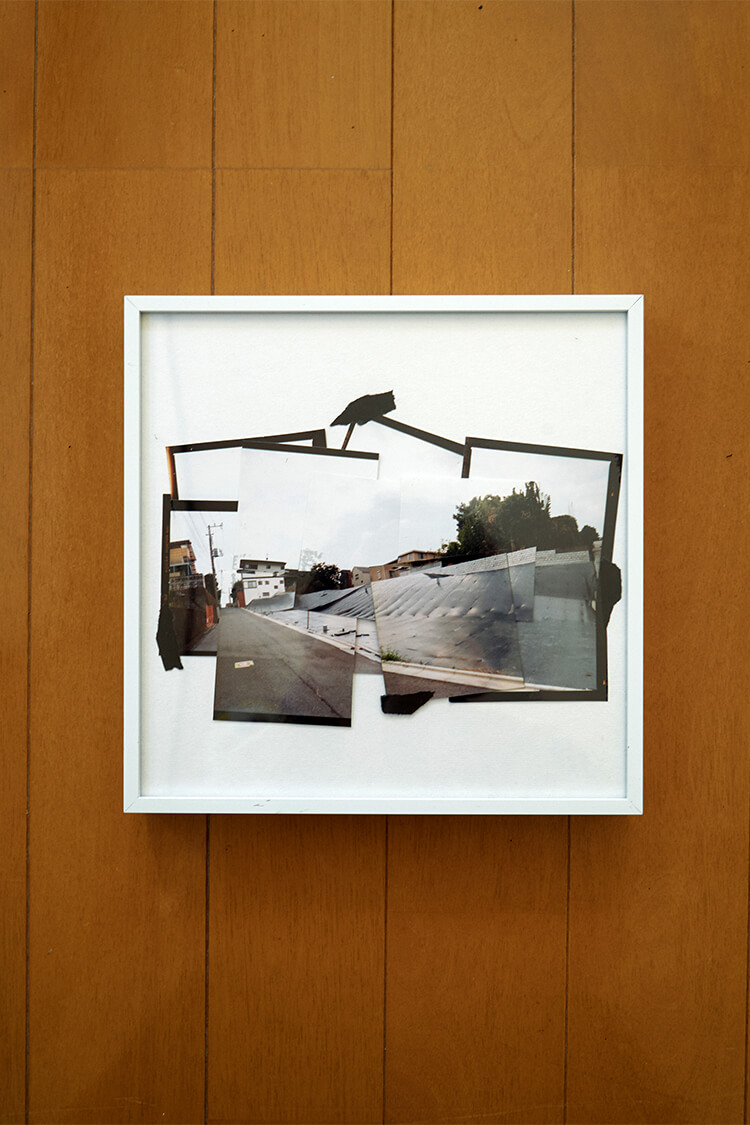
今年24歳を迎えた若き写真家のHAL JINUSHIによる、アートショー“マイルドパンチ”が「ビームスT 原宿」で開催中。パノラマコラージュと呼ばれる、複数の写真を使用した作品の展示をはじめ、スケーターでもある彼に欠かせないスケートボードのデッキ、Tシャツやフーディなどのアパレルグッズも数多くラインナップされています。そんな注目の展示をより一層楽しんでもらうべく、ユースカルチャーを体現するHALのこれまでの歩みを紐解いていきます。
The art show "Mild Punch" by HAL JINUSHI, a young photographer who turned 24 this year, is currently being held at BEAMS T HARAJUKU. In addition to his panoramic collages that are compiled from multiple photos, you can see his other artwork on skateboard decks, T-shirts, hoodies, and other apparel goods that are indispensable to him. To make this remarkable exhibition even more enjoyable, we will unravel the history of HAL, who embodies youth culture.
PROFILE

HAL JINUSHI
(写真家)
1998年、東京都生まれ。写真家の父とデザイナーの母を持つ。中学時代にスケートボードとフィルムカメラに出会い、スケーターの仲間たちと<convenience crew>を結成。その後、19歳でサンフランシスコへ渡米し、写真技術を学ぶ。22歳で帰国し、HALの名で本格的に写真家としての活動をスタート。定期的に個展やアートエキシビジョンを開催している。
写真とスケートボードとの出会い。
ー 現在のHALさんを形成する上で欠かせない、スケートボードと写真。その出会いからお聞きできますか?
HAL:中学生のとき、スケートをしていた一つ年上の先輩に吉祥寺の「INSTANT」というスケートショップに連れて行ってもらったんです。そこでスケートボードに魅了されて、それ以来どっぷりとハマっちゃいましたね。最初は下手だったんですけど、だんだん同級生のスケーター仲間も増えてきて。とにかく友達と滑っている日々が楽しかったから、毎日のようにスケートをしていました。
ー 写真を撮り始めたのもその頃からですか?
HAL:家に父のカメラが沢山置いてあるような環境だったので、自然と写真に興味を持つようになって。実際に自分で撮り始めたのは中学のときで、最初はスケーターの仲間を撮ったりして遊んでましたね。あとは、『WHEEL』っていうスケートボード雑誌には、結構影響を受けました。


ー 『WHEEL』は日本のスケートボード専門誌の草分け的な存在ですよね。現在は『Sb』という名で発行を続けていますが、HALさんの世代だとリアルタイムでは廃刊になっていたんじゃないですか?
HAL:はい、完全に後追いで。それこそ父親がその編集長と仲が良くて、家に何冊も『WHEEL』があったんです。そこに掲載されていたスケートボードのグラビア写真を見たときに、こういう写真を自分で撮れたら最高だろうなって思ったんですよね。スケーターが最もかっこよく見える写真が何枚もページングされていて、ワクワクしたのを覚えています。
ー その頃の原体験が、写真とスケートボードを結びつけるきっかけになっていたんですね。そして、高校を卒業してサンフランシスコへ留学されましたよね。
HAL:高校を卒業してからも、しばらくは漠然とスケートボードをする日々を過ごしていたんです。日本でくすぶっているくらいなら海外でも行った方がいいのかなと思って。あとは、その頃によく『PIER 7』や『Penal Code 100a』みたいなサンフランシスコをテーマにしたスケートビデオを見ていて、スケーターなら誰しもが憧れるあの急勾配の坂を一度味わってみたくなって。そんな軽い気持ちで、なんのあてもなくサンフランシスコへ渡ったんです。
ー サンフランシスコではどのような生活を送っていたんですか?
HAL:現地に着いてからすぐに友達もできて、基本的にはスケートボード三昧の日々を送っていました。ただ、それだけだと時間を持て余すので、現地の専門学校にも通うことにしたんです。

ー 現地の学校に通われてみて、いかがでしたか?
HAL:一応卒業はしましたけど、なにを学んだのかと言われれば、難しいですね。結局サボってばっかりでしたし。僕自身、多動症な傾向もあってか、好きなことを座学で学ぶのが体質的に合わなかったんです。自分が好きなように撮影するのが一番自然体だなって思いました。
ー 芸術や写真の世界では、独学で活躍されている方も沢山いますしね。
HAL:それで一時はサンフランシスコにあるフォトグラファーが所属するエージェンシーに入ろうかと考えていたこともありました。でも、一度日本で自分のやり残したこととかをやっておきたいって思って、2年半ほどで帰国することにしたんです。
“写真”とは言い切れない作品。
ー 帰国後は東京を拠点に活動していくようになると。
HAL:そうですね。生活自体は帰国してからもそこまで大きくは変わらず、新作のZINEをつくったりしながら、バイトをして生活していました。それで、過去に撮った写真が溜まってきた頃に、知り合いに紹介してもらったギャラリーから、展示をしてみないかと提案されたんです。それが代官山の「AL」というギャラリーで。でもそのときは準備の方法や展示の仕方もわからなくて、いま思えばかなり粗い展示でしたね(笑)。
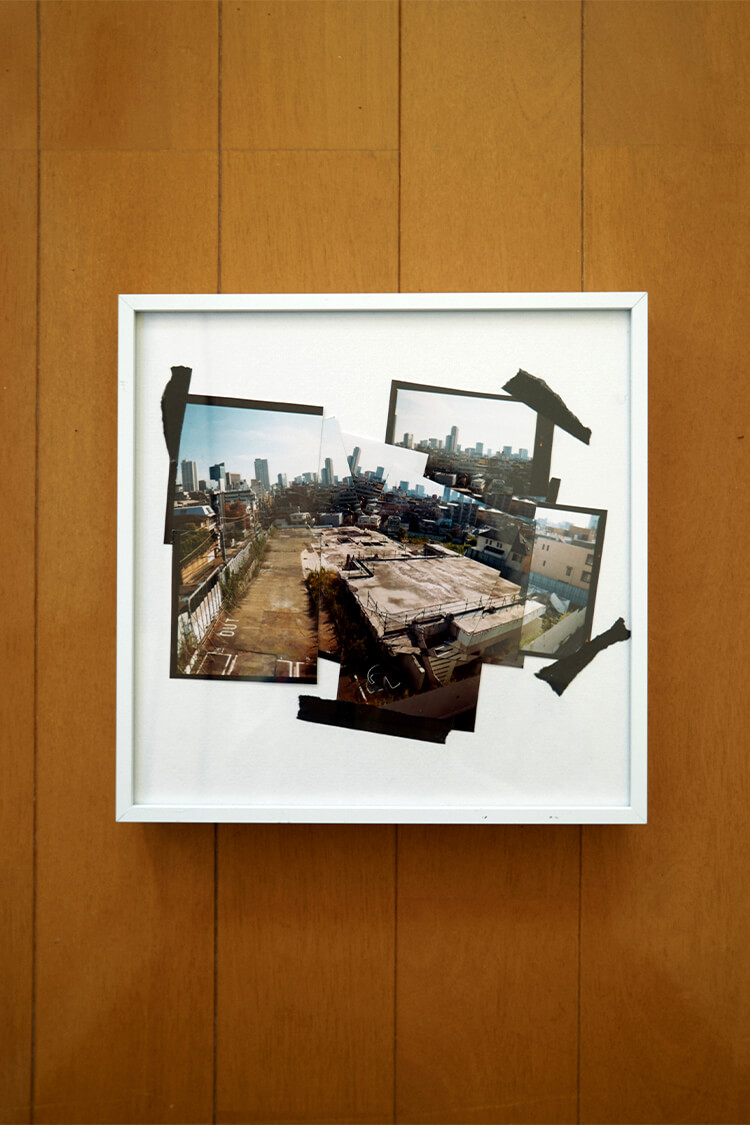
ー 記念すべき初の個展ですね。それから少しずつ個展の機会も増えていきますよね。
HAL:展示をすることで新しい発見や人との出会いが増え、そうした波がまた次の機会を生んでくれて。「4K GALLERY」や「SALT AND PEPPER」などでも開催することができました。あとは会社を経営している人や仲の良いスケートショップの人が僕の作品を買ってくれたり。好きで撮っていた写真や作品がどんどん広がっていく様を目の当たりにして、少し不思議な気分でしたね。
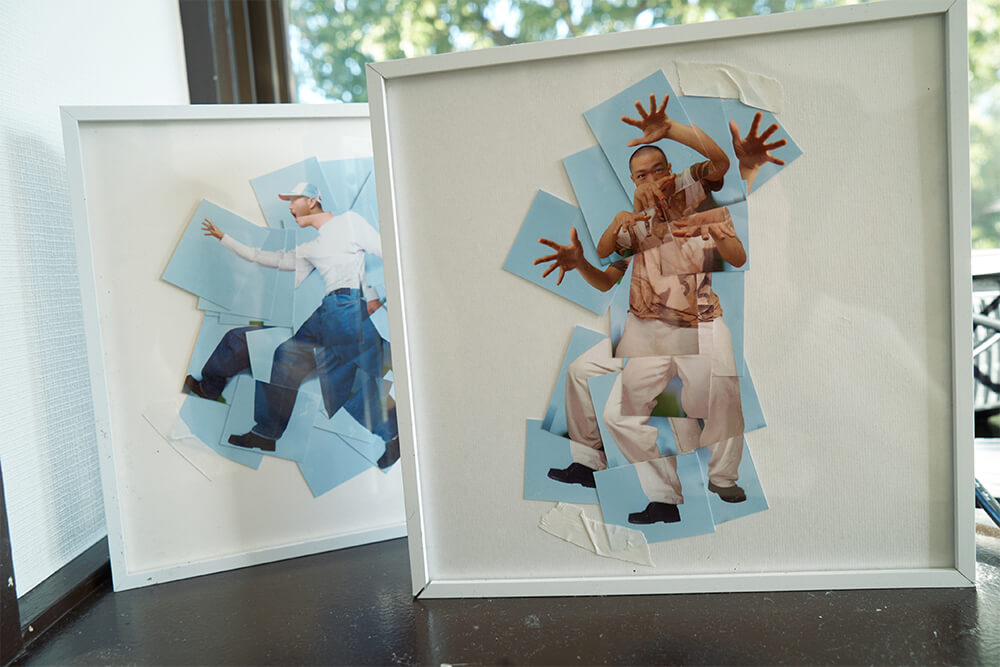
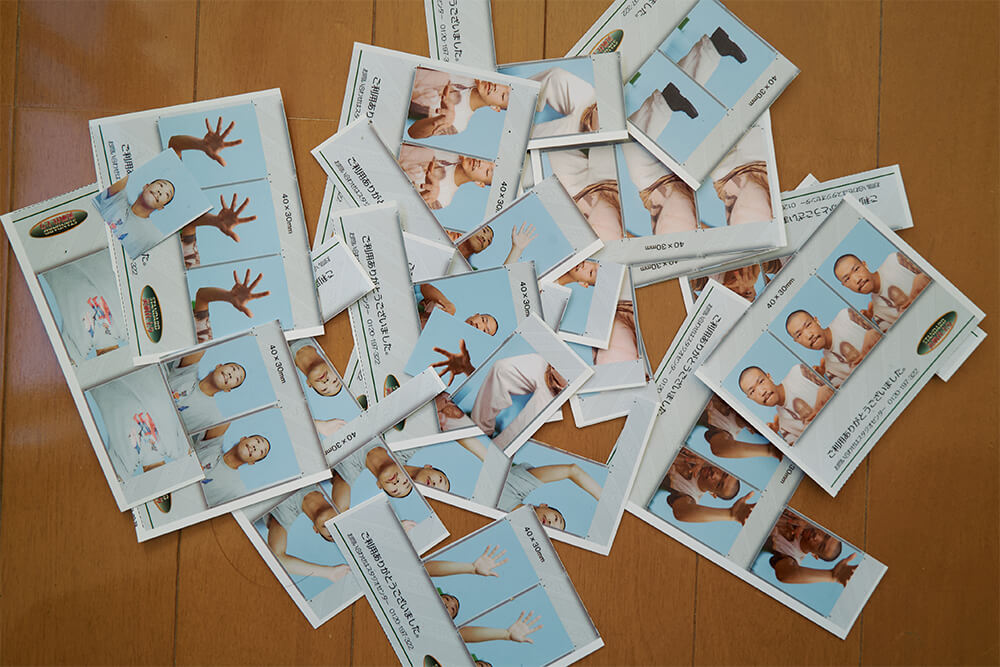
ー HALさんといえばパノラマコラージュの作品を思い浮かべる方も多いと思います。この手法にたどり着くまでの経緯を教えてもらえますか?
HAL:サンフランシスコにいるときに立ち寄った書店で見つけた、デイヴィッド・ホックニーの作品集から影響を受けたものなんです。彼は日本にいた頃から、実家にあった画集をよく見ていた大好きな作家で。『Cameraworks』という作品集にフォトコラージュが掲載されていて、初めて見た時は「どうやってやってるんだろう」って衝撃を受けましたね。同時に、物事へのアプローチの仕方にルールなんてなくて、人それぞれなんだってことを実感して、感動もしました。ずっと一枚絵の写真を撮りためていたんですけど、それから自分なりのアレンジを加えながら試行錯誤して今にいたります。
ー 制作する際は、撮る前に完成系のイメージを持って撮影するのか、無計画に撮影した後にコラージュしてつくりあげていくのか、どちらなのでしょうか?
HAL:どちらもありますね。ふとしたときにこの景色をパノラマにしたら面白いかもと、狙いを定めて何枚もシャッターを切ることもあるし、何気なく撮った写真が結果的にパノラマコラージュにしてみたらいいときもある。写真としてどうかというよりも、そうした手間をかける工程や作業している時間が好きだったりするんですよね。もしかしたら僕の作品って“写真”と言い切れないのかもしれないなと、感じることもあります。
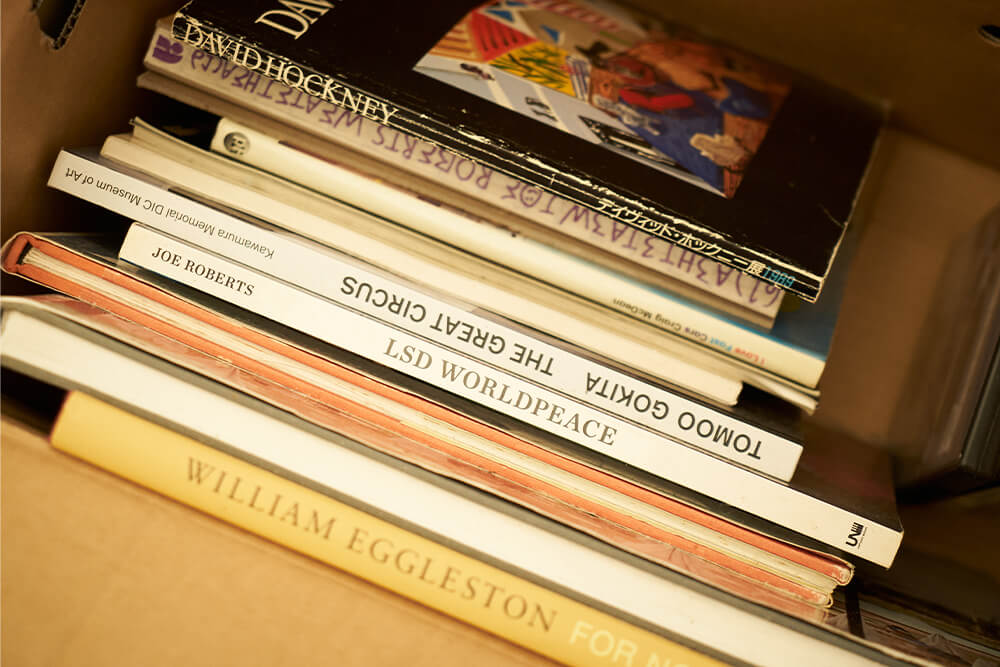
ー 一般的な写真に比べて、グラフィック的な要素が強いかもしれないですね。ちなみに、他にも影響を受けたアーティストはいますか?
HAL:自分は写真を撮ることを生業にしながらも写真家然としたタイプではないので、影響を受けた人って実はあまりいなくて。どちらかというと、音楽や小説からの影響が色濃いかもしれないです。そうした分野でいうと、みうらじゅんと中島らもは一番好きなアーティスト。みうらじゅんは表現者としても本当に痛快な人で、中島らもは酔っ払った帰り道に彼のラジオを聴くと泣けてくるんです。もし今も生きていたら、絶対に仲良くなれただろうなとか考えたりしますね。


ー HALさんの部屋の机にもそうした方々含め、沢山の小説が置かれていますね。
HAL:昔は活字が苦手で、最近ようやくちゃんと読めるようになったんですよ。村上春樹とか村上龍も好きだし、とにかく色々な本を読んでいます。最近はノートに言葉を書き留めるようにもしていて。自分の頭の中に浮かんだ物語や設定、言葉を書き出していくと、次の作品や展示のヒントになることがあるんです。後で見返すとなんだこれってなることもあるんですけど(笑)。ZINEをつくるときにも、写真と同じくらい言葉も載せています。
作品とともに成長していける。

ー 現在「ビームスT 原宿」で開催中のアートショーについてのお話も聞かせてください。タイトルの“マイルドパンチ”という言葉には、どんな想いを込められたのでしょうか?
HAL:展示のタイトルをどうしようか悩んでいたときに友達と話していたら、不意に“平凡パンチ”ってフレーズが出てきたんです。その言葉がずっと頭に残っていて、調べたら昔の雑誌のタイトルだったみたいで。さすがにそのままは使えないので、全部カタカナにしてマイルドパンチなら意味もそんなに変わっていないし、今の自分の気分にも合っているかなと思ってこのタイトルにしました。後付けですけど、平和ボケしている現代へのカウンター的なメッセージにもなるのかなって。
ー 作品や展示に意味を持たせないのは普段からですか?
HAL:昔から自分が撮った写真や作品に意味を持たせるのがあまり好きじゃないんですよね。もちろん狙いとか意図があったりする作品もあるんですけど、あくまで観る人の感性に委ねたい想いの方が強くて。だから過去の展示も割と“untitled”とかで発表していたんです。ただある時、画廊を切り盛りするおばさんに「“untitled”にも“無題”という意味があるのよ」って言われて、ハッとしちゃって。この世界ではフランクなものでも図らずとも意味を持ってしまうんだって気付かされたんです。

ー 今回の展示では、どんなところに注目してもらいたいですか?
HAL:これまではパノラマ風にコラージュした写真をキャンバスに貼り付けた作品ばかりでした。今回は作品の形に合わせた額縁を制作して、ちょっとした工夫を凝らしています。そうした作品の成長を見て欲しいし、新しい発見を観に来てくれた人と一緒に共有できたら嬉しいです。
ー 話を聞いていて、作品とともにHALさん自身も成長されているように感じました。
HAL:それはあるかもしれないですね。初めの頃は本当になにも考えずに無我夢中につくり続けていた作品が、少しずつ自分の手から離れていくことで、新しい視点が加わっていくので。根本的なマインドは変わることなく、環境や価値観が少しずつ変化していくことで、僕自身も大人になっている気がします。


ー 作品の展示以外にも、スケートデッキやアパレルもリリースされます。
HAL:スケートボードは昔から好きなので、やっぱり自分の作品がプリントされたデッキをつくれたのは嬉しかったですね。服もあれだけの種類をつくれることはないですし。街中で自分の作品が施された服やデッキを見かけたらきっと嬉しいだろうなって思います。

INFORMATION
HAL JINUSHI “マイルドパンチ”
会期:2022年1月14日(金)~2022年1月23日(日)
場所:ビームスT 原宿
PROFILE
HAL JINUSHI
(Photographer)
Born in Tokyo in 1998. He has a father who is a photographer and a mother who is a designer. In junior high school, he discovered skateboarding and film cameras, and formed the “Convenience Crew” with fellow skaters. Then, at the age of 19, he moved to San Francisco and studied photography. He returned to Japan at the age of 22 and started his career as a photographer under the name HAL. He regularly holds solo exhibitions and art exhibitions.
Encounters with photography and skateboarding.
ー Skateboarding and photography have been an integral part of who you are today. Can you tell us about your first encounter?
HAL: When I was in junior high school, a skater friend who was a year older than me took me to a skate store called “INSTANT” in Kichijoji. I was fascinated by skateboarding there, and I’ve been hooked ever since. I wasn’t very good at first, but I started to meet more and more skaters of my age. Skating with my friends was simply fun, so I skated almost every day.
ー Did you also start taking pictures around that time?
HAL: I grew up in a house where my father’s cameras were lying around, so I naturally became interested in photography. I actually started taking pictures by myself when I was in junior high school, and at first I was playing around taking pictures of my skater friends. I was also influenced by a skateboard magazine called “WHEEL”.
ー “WHEEL” is one of the pioneer skateboard magazines in Japan, isn’t it? Now it continues to be published under the name “Sb”. But in your generation, “WHEEL” was already discontinued, wasn’t it?
HAL: Yes, so I encountered it later. My father was good friends with the editor-in-chief, and we had many copies of “WHEEL” at home. When I saw the photos of skateboarding in the magazine, I thought it would be great if I could take such photos myself. I remember how excited I was to see the pages of photos of skaters looking their coolest.
ー So that was the original experience that led to the connection between photography and skateboarding. After graduating from high school, you went to San Francisco, right?
HAL: I spent some time vaguely skateboarding after graduating from high school. I thought it would be better to go abroad rather than stagnating in Japan. Also, I was watching skate videos about San Francisco like “PIER 7” and “Penal Code 100a” at the time, and I wanted to experience the steep slopes that every skater dreams of. I went to San Francisco on a whim with no idea what to expect.
ー What was your life like in San Francisco?
HAL: I made friends as soon as I got there and basically was absorbed in skateboarding every day. But I still had a lot of spare time, so I decided to go to a local photography school.
ー What’s your impression of the local school?
HAL: I managed to graduate, but if you ask me what I learned, it’s difficult to say. I ended up skipping school all the time. Maybe it’s because I have a tendency to be hyperactive, and it’s not in my nature to learn what I like in lecture style lessons. I felt that the most natural way for me was to shoot the way I wanted to.
ー There are a lot of self-taught people in the world of art and photography, aren’t there?
HAL: That’s why for a while I was thinking of belonging to a photographer’s agency in San Francisco. But I decided to return to Japan after about two and a half years because I first wanted to do what I had left to do in Japan.
Artwork that cannot be described as “photography”
ー After you came back to Japan, you started your career based in Tokyo.
HAL: That’s correct. My life itself didn’t change that much after I came back to Japan, and I was making new zines and working part-time to make ends meet. Then, when the photos I took started to accumulate, an acquaintance introduced me to a gallery and the gallery suggested that I should have an exhibition there. It was a gallery called AL in Daikanyama. But at the time, I didn’t know how to prepare or exhibit, and looking back now, it was a pretty rough exhibition (laughs).
ー This was your memorable first solo exhibition. Since then, you’ve had more and more opportunities for solo exhibitions.
HAL: Every time I did an exhibition, I made new discoveries and met more people, and that gave birth to the next opportunity. I was able to hold exhibitions at venues like “4K GALLERY” and “SALT AND PEPPER”. Company owners or skate store staff that I’m good friends with bought my works as well. It felt a bit strange to see the photos and works that I created as personal pleasure spreading more and more to the world.
ー Many people think of your panoramic collage works when they think of you, HAL. Can you tell us how you came to this technique?
HAL: I was influenced by a book of David Hockney’s works that I found in a bookstore I stopped by when I was in San Francisco. He was my favorite artist from when I was in Japan, and I used to look at his art books at my parents’ house. When I first saw the photo collages in his book “Cameraworks”, I was shocked and wondered how he did it. At the same time, I was moved by the realization that there are no rules in how to approach things, and that everyone is different. I had been taking single photos for a long time, but since then I started making collages adding my own arrangements to the technique and created my style through trial and error.
ー When you create, do you take pictures with an image of the finished product before taking them, or do you take pictures without a plan and then make collages to create them?
HAL: I do both. There are times when I look at scenery, I suddenly think it will be interesting to make a panoramic collage of it, and I take aim and click the shutter button several times. There are also times when I take photos casually and end up making a panorama collage with them. I enjoy the process and the time it takes to make a panorama collage more than I enjoy the quality of each photograph. I sometimes feel that maybe my work can’t be described as “photography”.
ー It’s probably more graphic than general photography. By the way, are there any other artists who have influenced you?
HAL: Although I take photos for a living, I’m not a typical photographer, so there aren’t many artists who have influenced me. If anything, music and novels have had a stronger influence on me. In terms of those fields, Jun Miura and Ramo Nakajima are my favorite artists. Jun Miura is exhilarating as an artist, and Ramo Nakajima makes me cry when I listen to his old radio show on the way home after getting drunk. If he were still alive today, I’m sure we would have become friends.
ー There are a lot of novels on your desk, including their books.
HAL: I used to not be good at reading, but recently I’ve finally learned to read properly. I like Haruki Murakami and Ryu Murakami as well. I’ve been reading various types of books. Recently, I’ve also been writing down words in a notebook. When I write down the stories, settings, and words that come into my head, it sometimes gives me hints for my next work or exhibition. When I make zines, I include words as much as photos.
You can grow along with your work.
ー Could you tell us about the art show that is currently being held at BEAMS T HARAJUKU? What kind of thought did you put into the title “Mild Punch”?
HAL: When I was wondering what to title the exhibition, I was talking with a friend, and the phrase “Heibon Punch” suddenly came up. The phrase stuck in my mind for a long time, and when I looked it up, I found that it was the title of an old magazine. I couldn’t use the phrase as it was, so I changed it to katakana and changed it to “mild punch.” The meaning hasn’t changed that much, and I thought it would fit my current mood. It’s a bit of an afterthought, but I thought it could also be a counter-message to the people of today who mistakenly believe that the current peace will continue forever without them doing anything.
ー Is it usual for you not to give meaning to your works or exhibitions?
HAL: I have never really liked to give meaning to my photos or works. Of course, there are some works that have an aim or intention, but I’d rather leave it to the viewer’s sensibility. That’s why my past exhibitions were usually presented as “untitled” or something like that. But one day, the lady who runs the gallery told me that “untitled” also means “untitled,” and I had an epiphany. I realized that in this world, even something as simple as “untitled” can have a meaning.
ー What would you like people to pay attention to in this exhibition?
HAL: In the past, I have only made panoramic collages of photographs pasted on canvas. This time, I put a little ingenuity by making frames that match the shapes of the works. I want people to see the growth of these works, and I would be happy if I could share my new discoveries with those who come to see the show.
ー In listening to your talk, I felt that you yourself are growing along with your work.
HAL: That may be true. In the beginning, I was making works without really thinking about anything, but as they gradually left my hands, new perspectives were added. I feel that I am becoming an adult as my environment and sense of values gradually change without changing my fundamental mind.
ー In addition to your artworks, skateboard decks and apparel goods are on display and for sale.
HAL: I’ve always loved skateboarding, so I was really happy to make a deck with my work printed on it. I was also very lucky to be able to make that many different kinds of clothes. I’d be thrilled to see clothes and decks with my artwork on them on the street.
INFORMATION
HAL JINUSHI “Mild Punch”
January 14 (Fri), 2022 – January 23 (Sun), 2022
Place: BEAMS T HARAJUKU